Most people think identity theft won't happen to them. This post explains exactly how it works, why it's so easy to miss, and what smart people are doing to stay ahead of it.
"A close friend of mine — a nurse in Houston — called me crying one afternoon. She had just been turned down for a mortgage. It turned out someone had been quietly opening credit cards and taking out loans in her name for over a year.
She had no warning signs. No alerts. Nothing. That conversation is part of why I write about this. Most of us were taught to protect our wallets and keep our PINs private. That is still good advice. But today, the biggest threat to your financial life is invisible — and it does not require a thief to be anywhere near you.
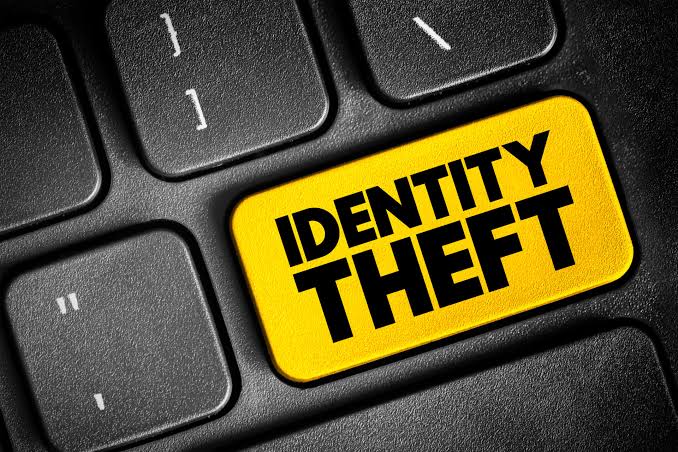
So what exactly is identity theft?
Identity theft happens when someone uses your personal information — your name, Social Security Number (in the US) or Social Insurance Number (in Canada), date of birth, or financial account details — to pretend to be you.
They can open bank accounts, apply for loans, file tax returns, or even get medical treatment, all using your identity.The reason it is so dangerous is simple: they are not breaking into your home. They are sitting at a computer, often in another country, using information that was exposed in a data breach you never even heard about.
How does personal information end up in the wrong hands?
This is the part most people do not realize. You do not have to do anything wrong. Data breaches happen regularly at hospitals, retailers, government agencies, and apps you use every day.
When those organizations are hacked, millions of people's records — including yours — can be exposed all at once.That information gets sold cheaply on what is called the dark web — parts of the internet that are not accessible through a regular browser. Criminals buy it in bulk and use it to commit fraud, sometimes months or years after the original breach.
3,200+
Data breaches reported in the US in 2023 alone
200 hrs
Average time to recover without professional help
$10B+
Lost to identity fraud across North America annually
Why do most people find out so late?
Because nothing feels wrong at first. The thief is not draining your account — they are opening new ones. Your day-to-day banking looks normal.
Your credit card still works. Life goes on. Meanwhile, debt is building under your name that you know nothing about.Most victims only discover the problem when they apply for a car loan, a mortgage, or a new job — and something comes back wrong. By then, the damage can take months to undo.
KEY LESSON
Checking your credit once a year is not the same as monitoring it. A yearly check tells you what already happened. Monitoring tells you what is happening right now — and gives you a chance to stop it.
What does real protection actually look like?
Understanding what good identity protection does helps you make a smarter decision about whether you need it.
Here is what a solid service covers:
- Monitors the dark web for your personal details — name, SSN or SIN, email, and financial data
- Tracks your credit across all three major bureaus and alerts you to any new accounts or inquiries.
- Watches your social media and public records for activity that could damage your reputation or employment.
- Assigns a licensed private investigator to your case if your identity is stolen — handling the restoration for you.
- Provides insurance coverage for financial losses caused by identity theft — in some cases up to $3 million.
Includes device protection tools like a VPN and antivirus software to reduce your exposure in the first place. The key difference between doing this yourself and having a service do it is time and expertise. You can freeze your own credit — but you cannot monitor the dark web.
You can check your bank statements — but you would not know if your information was just sold to a criminal three minutes ago.
For more details on IDENTITY THEFT click the download button and download for Free

Written by John Oni